As electric vehicles become part of everyday life, the pressure on charging infrastructure continues to grow. By analysing vast amounts of real time and historical data, AI systems can identify patterns, predict issues and adjust charging behaviour automatically. This leads to better reliability, fewer outages, and a smoother experience for drivers. Across Australia, AI driven tools are helping charging networks evolve from simple power delivery points into intelligent systems that respond dynamically to changing conditions. And as EV adoption accelerates, AI is becoming a practical necessity rather than a nice addon.
Here are 5 key ways AI is actively reshaping EV charging infrastructure today, from improving operational reliability to enhancing the driver experience. Each highlights how intelligent systems are moving charging networks beyond basic power delivery and towards smarter, more resilient energy management.
1. Smarter Charging Station Operations Through Predictive Maintenance
Charging equipment operates under demanding conditions. Heavy loads, frequent use and environmental factors gradually degrade components, leading to unexpected failures that leave drivers stranded and operators facing emergency repairs.
AI powered monitoring systems track sensor data continuously, detecting subtle shifts in temperature, voltage and performance that signal developing problems. Operators receive alerts days or weeks before a component fails, allowing scheduled maintenance during low demand periods rather than reactive fixes during peak hours.
The operational advantages extend beyond avoiding breakdowns. Predictive maintenance reduces service interruptions, extends equipment lifespan and keeps high traffic locations running smoothly when multiple vehicles depend on consistent access throughout the day. For charging network operators, this translates to lower maintenance costs and higher customer satisfaction.
2. Dynamic Pricing That Responds to Grid Conditions
Electricity costs vary significantly based on time, demand and grid conditions. AI driven pricing systems process these variables in real time, adjusting charging rates to reflect actual grid capacity and operational costs.
Off-peak periods typically offer lower rates, incentivising drivers to charge when demand is minimal and grid stress is low. During peak times, modest price increases help distribute load more evenly across the network while signalling true infrastructure costs. You benefit from price flexibility and potential savings, while operators maintain network stability and reduce strain on transformers and substations.
This pricing intelligence creates a more balanced energy ecosystem. As EV numbers grow, dynamic pricing helps prevent the infrastructure overloads that would otherwise require expensive grid upgrades and capacity expansion.
3. Supporting Grid Stability and Infrastructure Planning
Understanding when, where and how vehicles charge provides critical intelligence for utilities and infrastructure planners. AI systems aggregate detailed usage data across charging networks, revealing peak demand periods, regional patterns and emerging pressure points on the grid.
This information drives informed decision making about grid upgrades, transformer capacity and strategic charger placement. Rather than waiting for infrastructure failures or brownouts, planners can address capacity constraints before they impact service.
For Australia’s expanding charging networks, particularly in new residential and commercial developments, this proactive approach prevents costly retrofits and service disruptions. AI enabled planning ensures charging infrastructure grows in step with available grid capacity, maintaining reliable power delivery as EV adoption accelerates.
4. Vehicle to Grid Optimisation With Intelligent Energy Management
Vehicle to grid (V2G) technology enables electric vehicles to discharge stored energy back into the grid during high demand periods. The concept holds significant promise for energy management, but requires precise coordination to work effectively.
AI determines optimal charging and discharging schedules by analysing energy prices, grid demand forecasts, and vehicle usage patterns. For fleet operators or multi-unit residential buildings, the system identifies when discharging energy generates cost savings or revenue, and ensures vehicles recharge in time for their next journey.
This intelligent energy management transforms parked EVs into flexible grid assets. You reduce energy costs while maintaining vehicle availability, and the grid gains distributed storage capacity that helps balance supply and demand during peak periods.
5. Enhanced User Experience Through Intelligent Systems
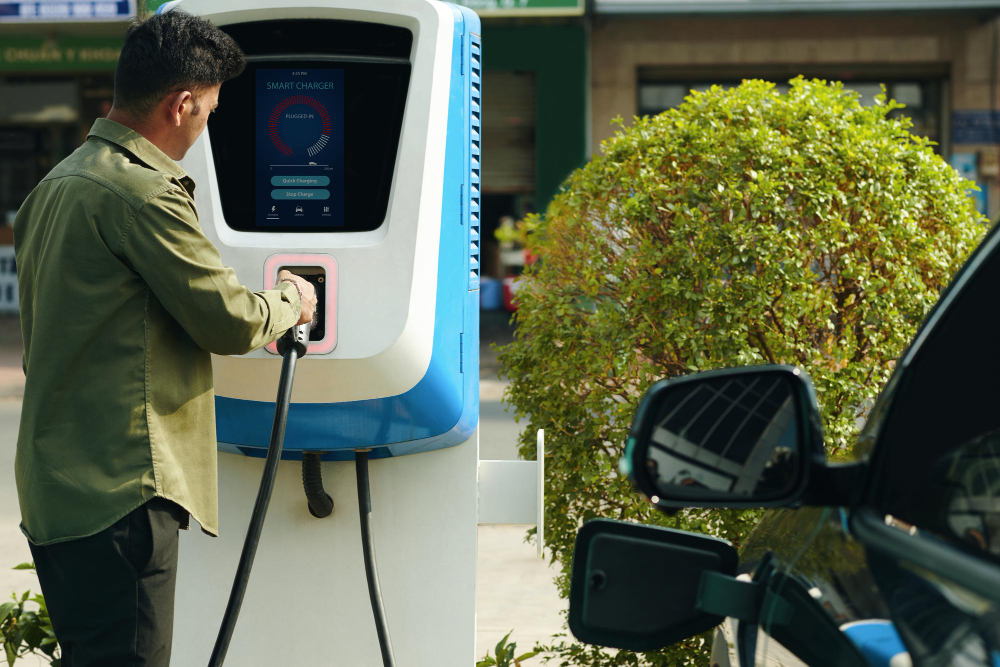
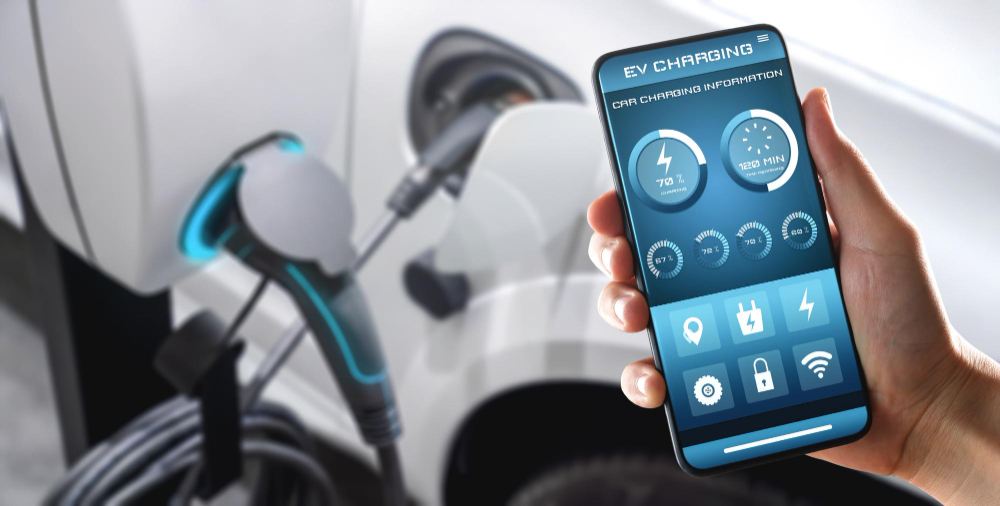
AI improves your charging experience through real time information and personalised recommendations. Mobile applications now provide live updates on charger availability, current wait times and pricing across nearby locations. By factoring in traffic conditions, weather and your battery level, these systems suggest the most suitable charging option for your specific situation.
Over time, AI learns your charging habits and preferences, offering tailored suggestions rather than generic recommendations. If you typically charge during specific hours or prefer certain locations, the system adapts its guidance accordingly. For operators, this usage data reveals how drivers actually interact with charging infrastructure, informing decisions about facility layout, amenity additions and network expansion. The result is charging infrastructure that becomes more intuitive and user friendly as demand grows.
Infrastructure Built for Tomorrow
AI technologies are reshaping EV charging from reactive power delivery to intelligent energy management. Predictive maintenance, dynamic pricing, grid integration, V2G optimisation, and personalised user experiences all contribute to infrastructure that scales with demand rather than struggles against it.
As an EV charger installer, we designs and implements charging solutions with these intelligent capabilities in mind. The transition to electric vehicles requires infrastructure that does more than simply provide power. It requires systems that adapt, optimise, and improve over time. AI delivers those capabilities today, ensuring your charging infrastructure remains effective as both technology and demand continue to evolve.