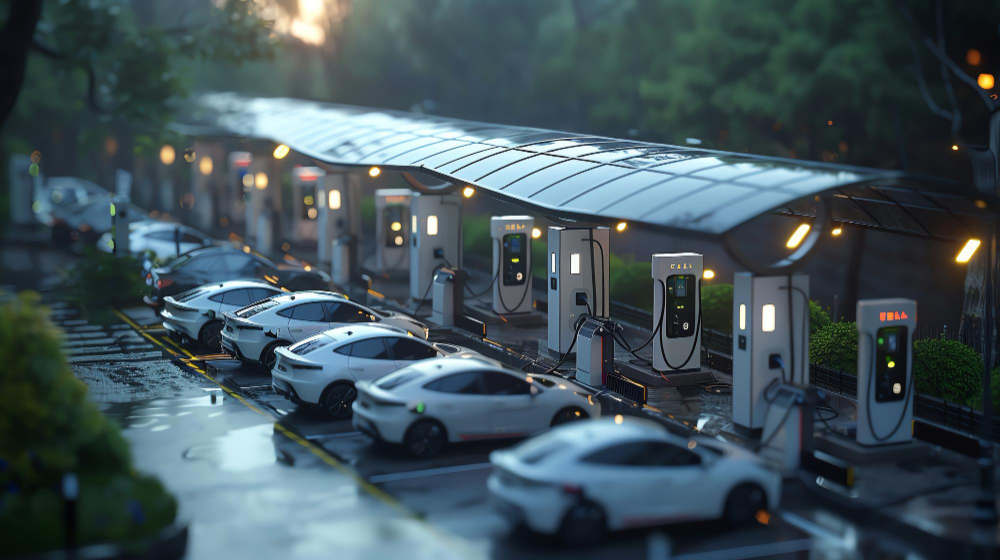
EV adoption is accelerating across Australia, and with it comes a challenge that goes well beyond selecting the right hardware. Businesses planning EV charging infrastructure now need to think about energy demand, grid constraints and how their systems will scale as fleet and facility requirements grow.
This is where DER integration has become an increasingly important consideration. Understanding what it means, and specifically for EV charging is becoming essential for organisations planning future ready infrastructure.
What Is DER and How Does It Apply to EV Charging?
DER stands for Distributed Energy Resources and in practical terms, it refers to energy that is generated, stored or managed locally (for instance at a business or commercial site) rather than coming entirely from large, centralised power stations.
These systems operate “behind the meter”, giving businesses direct control over how energy is produced and consumed onsite, and some common examples include:
- Solar panel systems
- Battery storage systems
- Electric vehicles and charging infrastructure
- Smart meters and energy management systems
Rather than operating in isolation, EV chargers in a DER integrated setup form part of a broader energy ecosystem, one that connects onsite solar, battery storage, energy management systems and grid supply into a single coordinated solution. This means a site can:
- Source energy from multiple inputs simultaneously
- Balance power usage in real time
- Optimise charging based on demand, cost and availability
This creates a more flexible and resilient charging environment, and is particularly relevant for sites with limited grid capacity or where energy costs are a significant operational concern. Across Australia, this shift is already well underway, and as more homes and businesses adopt solar and battery systems, energy is becoming more decentralised and with it more dynamic.
How DER Works in a Commercial EV Charging Setup
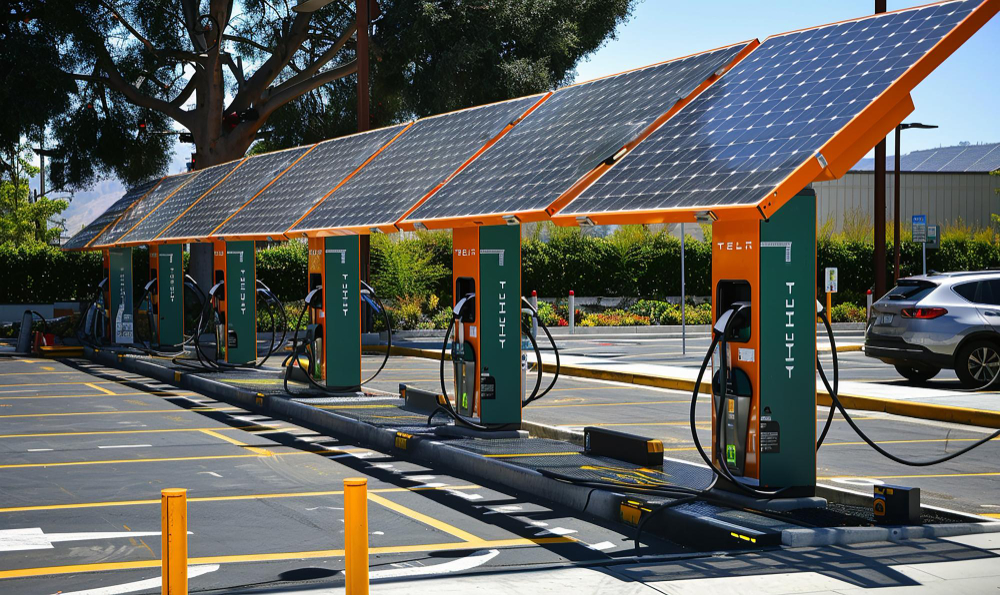
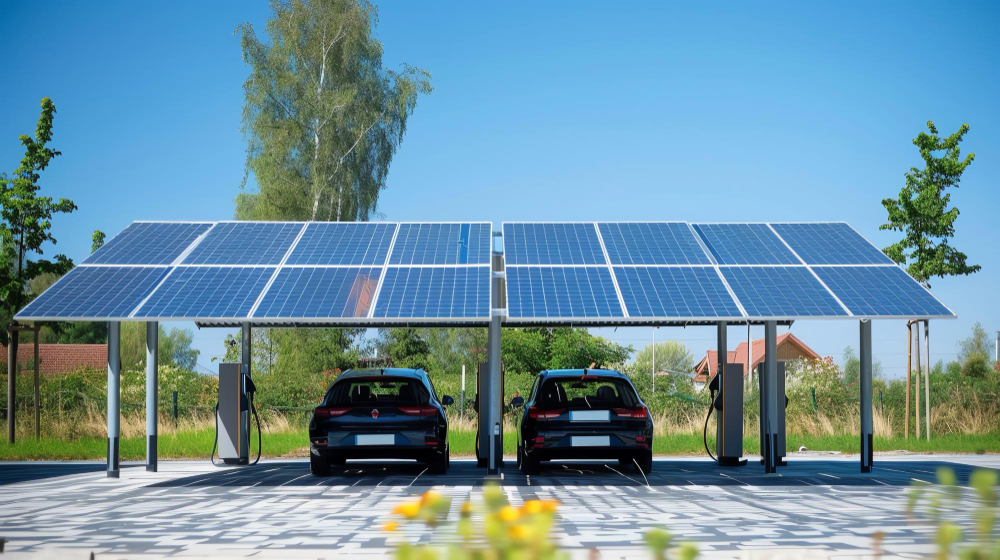
On a commercial site with EV charging, solar and battery storage, all systems operate in sync to balance energy generation, storage and demand.
During the day, solar panels generate electricity. Some is used onsite immediately and the excess energy is directed to the battery system for storage. When vehicles begin charging, the system draws from the grid, stored battery energy or a combination of both, balancing demand in real time to avoid unnecessary spikes.
When multiple vehicles charge simultaneously, the battery system can discharge to support demand, reducing the load placed on the grid while maintaining consistent charging performance. Behind the scenes, an energy management system controls how and when each energy source is used, ensuring the site operates efficiently within its capacity limits.
Why DER Integration Matters for EV Charging Infrastructure
Electricity networks were originally designed around centralised generation, from power flowing in one direction from large stations to end users. EV charging introduces new demand patterns that put real pressure on that model, particularly as fleet sizes grow and charging windows concentrate at predictable times of day. DER integration addresses several of the key challenges this creates.
1. Grid Capacity
When multiple vehicles charge at the same time, demand can spike quickly. Battery storage and local generation absorb and manage this demand, reducing the burden placed on the grid connection.
2. Scalable Infrastructure
Businesses are no longer strictly limited by their existing grid capacity. Incorporating local energy systems allows charging infrastructure to scale more flexibly and cost effectively.
3. Energy Costs
Drawing from stored energy or onsite generation reduces reliance on peak grid electricity, one of the most direct levers available for managing the ongoing operating cost of EV charging.
4. System Reliability
With multiple energy sources available and an intelligent management layer, charging infrastructure becomes more resilient and less exposed to single points of supply failure.
5. Renewable Energy Integration
Onsite solar can be used to directly power EV charging or stored for use outside generation hours, supporting emissions reduction goals without compromising charging performance.
DER Integration and the Future of EV Charging
The move toward distributed energy is a structural shift, not a short-term trend. In Australia and globally, energy generation is becoming more decentralised, with growing contributions from commercial and residential assets. At the same time, electrification including accelerating EV adoption is driving sustained growth in electricity demand.
As this shift continues, DER integration will play a central role in enabling smarter energy management, stronger use of renewables and more resilient charging networks. As technologies such as AI driven energy management and vehicle to grid systems continue to mature, the role of DER in EV charging infrastructure will only become more central.