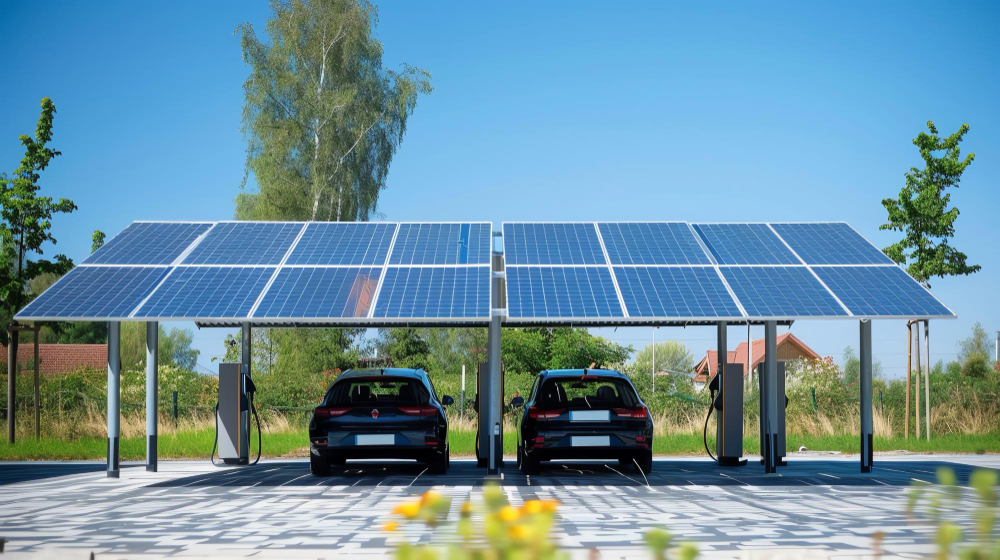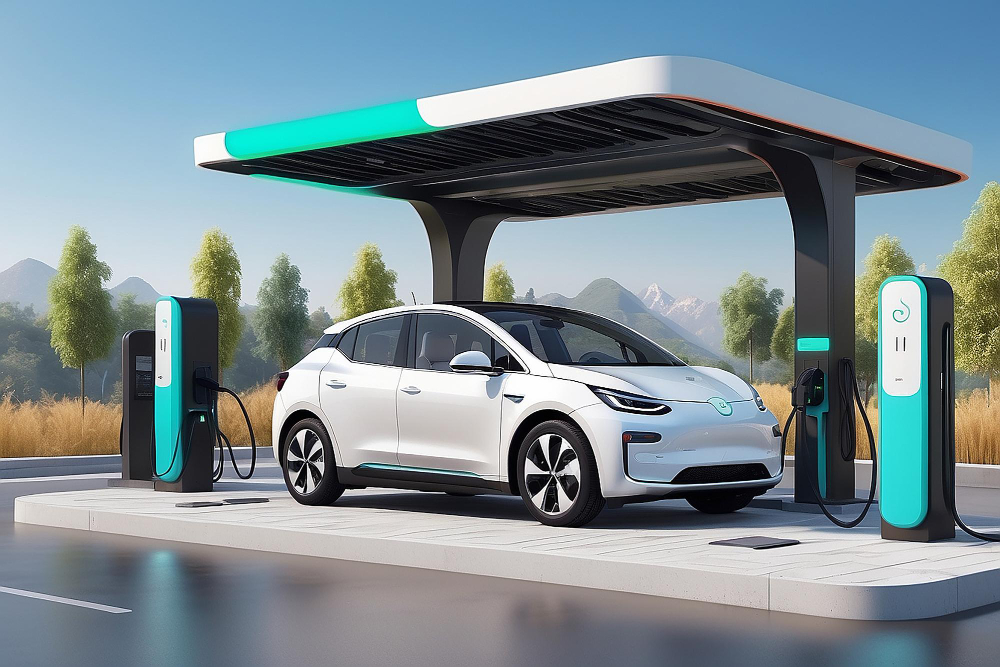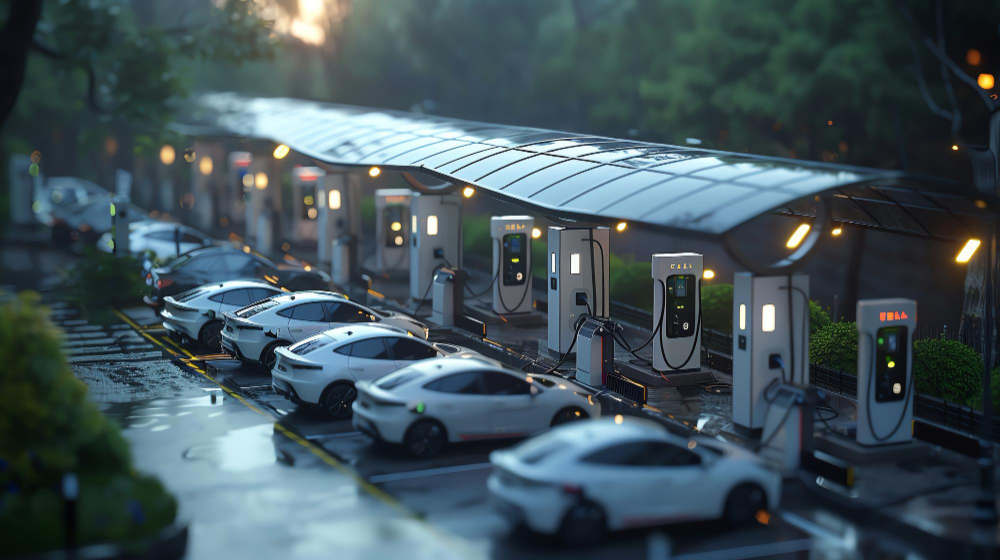
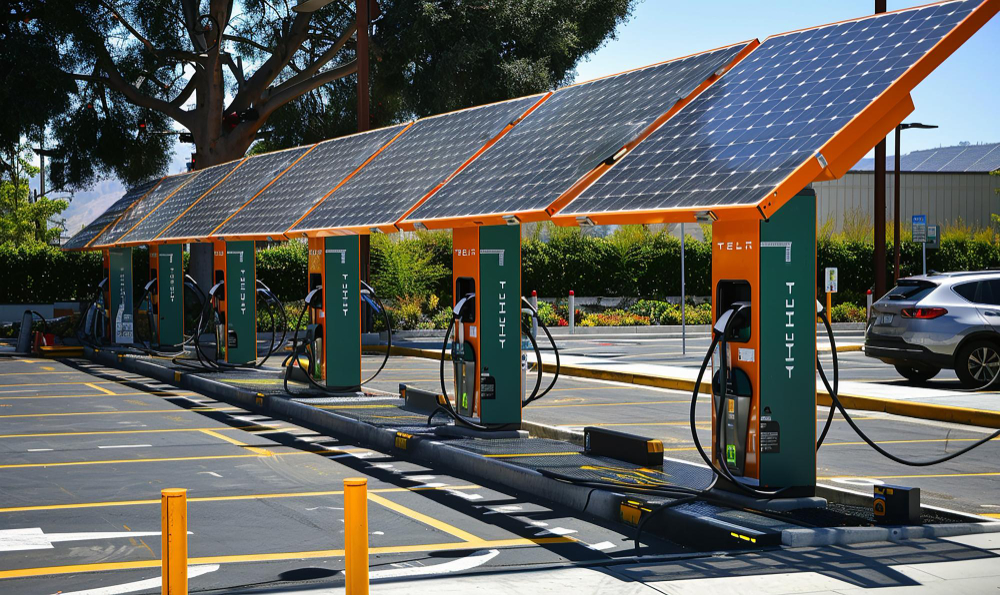
Solar integrated EV chargers let a business charge its vehicles, fleet or customer and staff cars using electricity generated onsite, rather than drawing solely from the grid. For a commercial property, that means EV charging can run on solar power the business has already invested in, lowering operating costs and reducing how much surplus generation gets exported for a low feed-in return. Realising that benefit depends on how the system is designed, including the solar capacity, onsite electricity demand, charging patterns and the charger technology itself all determine how much solar generation actually ends up in a vehicle.
More workplaces, retail sites and fleet operators are pairing solar generation with EV charging infrastructure to get more value from both. And if done properly, it’s one of the more effective ways for a commercial property to reduce transport-related energy costs while making fuller use of the power it already generates.
How Solar Integrated EV Chargers Work
Solar panels produce direct current (DC) electricity, while most EV chargers used in commercial and workplace settings run on alternating current (AC). Before any solar power can reach a connected vehicle, it passes through an inverter, which converts it into usable AC power for the site’s electrical system.
From there, the EV charger operates as another load on the property’s electrical infrastructure. During daylight hours, other equipment and systems on-site typically draw on available solar generation first. Any surplus beyond what the property is using becomes available for EV charging. When solar output drops the charger draws the shortfall from the grid automatically, without interrupting the charging session.
This automatic handover between solar and grid supply is what makes solar integrated EV charging practical for commercial operations. There’s no need to manually manage power sources as the system handles that transition continuously in the background, which matters on sites running multiple chargers at once.
Why Load Management and Smart Charging Matter
A standard charger draws power at a fixed rate regardless of where that electricity originates, which often means pulling more from the grid than necessary. A smart, load management ready charger continuously reads how much solar generation is available and adjusts the charging rate to match it, scaling up or down as conditions change through the day.
This becomes more important as the number of chargers on a site increases. Workplaces, retail centres, and fleet depots often run charging alongside other significant electrical loads, and all drawing from the same infrastructure. Load management technology balances these demands across the site, protecting the property’s electrical capacity while keeping charging reliable for staff, customers or fleet vehicles.
Several chargers in our range of products are built for exactly this kind of environment.
- The Circontrol EVolve AC delivers 2 x 22kW three-phase output with load management ready capability, making it well suited to multi-bay commercial installations.
- The Elinta City Charge AC offers similar dual 22kW output with load management and custom branding options, a useful feature for retail and public-facing sites.
- For higher-throughput needs such as fleet depots or public charging hubs, our Alpitronics DC chargers provide 50kW and above with plug-and-charge functionality.
Matching Your System to Site Usage Patterns
There’s no single configuration that suits every commercial property, because charging demand depends heavily on how the site operates. A workplace where staff vehicles are parked throughout the working day is well positioned to make strong use of solar generation, since availability and demand largely line up. A retail site with shorter customer dwell times, or a fleet depot charging predominantly overnight, will draw more heavily on grid power unless battery storage is incorporated to bank daytime generation for later use.
Seasonal variation also needs to be factored into planning. Solar output shifts between summer and winter, so the proportion of charging load covered by solar will change across the year. A properly designed system accounts for this from the outset, giving the business realistic expectations of what solar will cover and when grid supply will still be required to meet demand.
Long-Term Value Beyond Cheaper Charging
The financial case for solar integrated EV chargers extends beyond a lower cost per charge. Many commercial sites generate more solar power than they consume at certain points in the day, particularly outside peak operating hours. Rather than exporting that surplus for a modest feed-in tariff, directing it toward EV charging typically delivers considerably better value back to the business.
As electricity prices continue to fluctuate, generating and using more of a site’s own power also gives the business greater control over ongoing operating costs. For fleet operators in particular, on-site solar charging can meaningfully reduce running costs compared with public charging networks or fuel, while supporting emissions reduction targets tied to transport and operations.
Getting the Setup Right
The charging equipment selected has a direct bearing on how much solar generation is actually put to use. If a business is planning a new installation or upgrading existing infrastructure, it’s worth having electrical capacity, usage patterns, and solar generation assessed together as part of one plan, rather than selecting chargers in isolation. Why not get in touch with us to discuss what a solar integrated EV charging setup would look like for your commercial property.