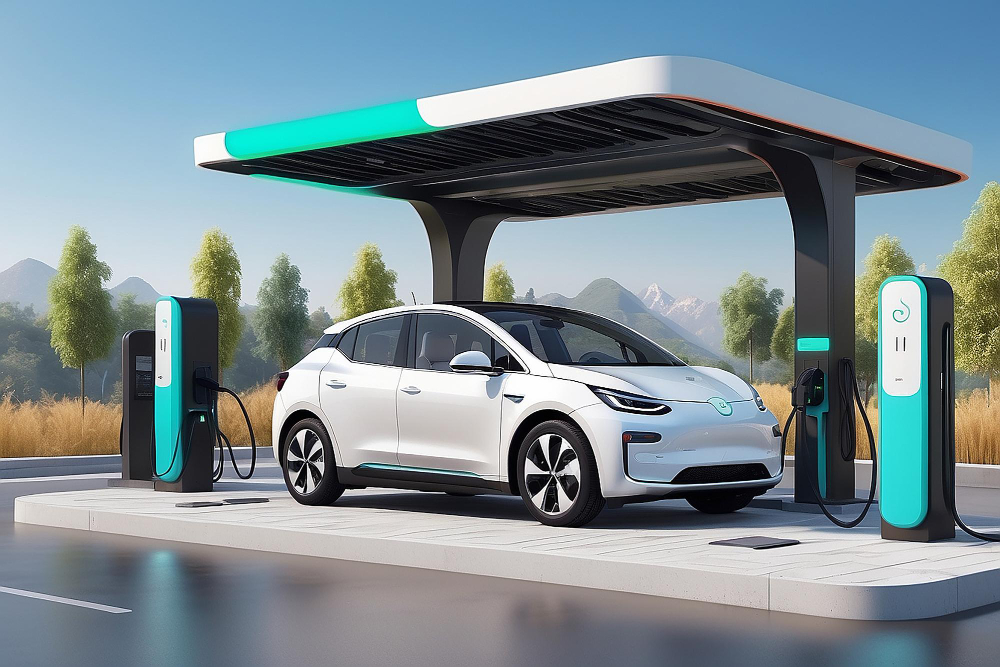
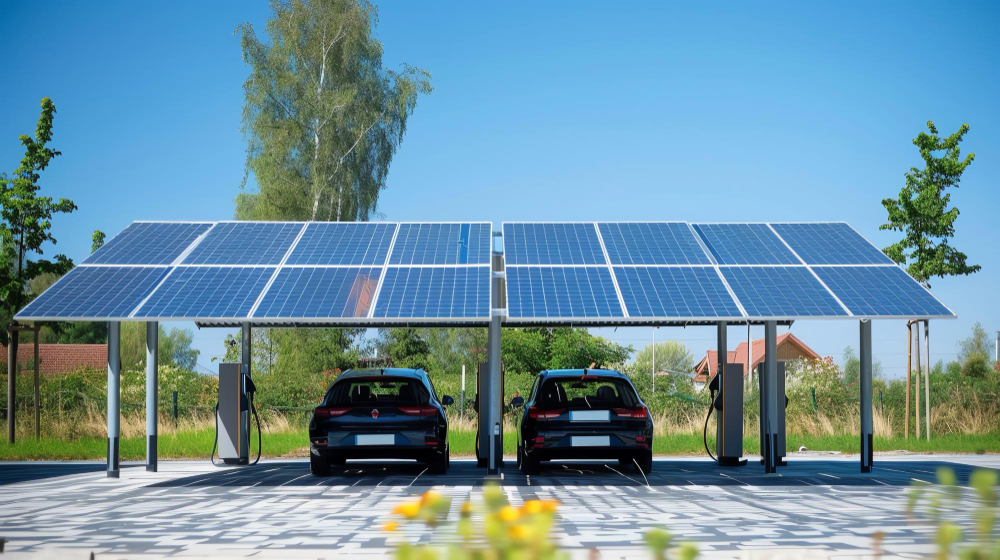
Electric vehicle uptake across Australia is starting to test assumptions that electricity networks were built on decades ago. Traditionally, power has moved in one direction: generated at large, centralised plants and delivered outward to homes and businesses through transmission and distribution lines. EV charging puts new pressure on that model, especially when a cluster of vehicles draws power from the same local network within the same few hours of the evening.
Distributed energy resources (DERs) are helping reshape that approach. Technologies such as solar panels, battery storage and EVs themselves are enabling energy to be generated, stored and managed closer to where it is used. This shift is changing how EV charging infrastructure is designed, installed and operated, particularly for organisations planning charging networks at scale.
What Are Distributed Energy Resources?
DERs are essentially smaller scale energy technologies connected directly into local electricity networks, rather than large power stations sitting far from the point of use. Instead of electricity flowing one way from generator to consumer, DERs allow generation, storage, and demand management to happen at many points across the network simultaneously.
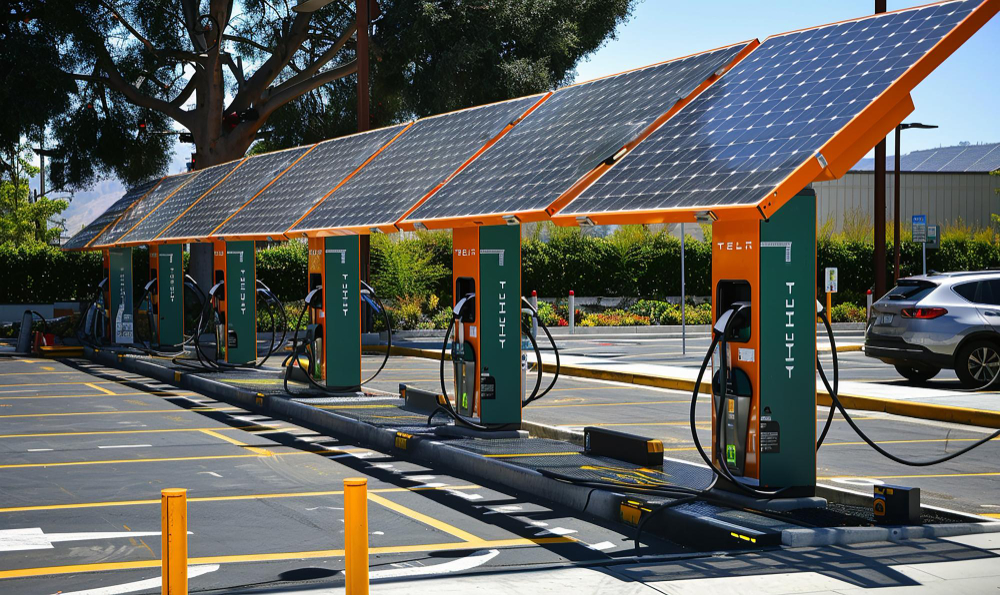
Solar panels are the most familiar example, where a home or business can generate electricity during daylight hours and use it immediately, reducing reliance on grid-supplied power. Battery storage extends that flexibility by holding excess solar generation for use later in the day, when the sun isn’t doing the work anymore. Wind generation and other emerging technologies add further capacity to this growing mix.
EVs are increasingly part of the same picture. Vehicle-to-grid (V2G) technology allows an EV battery to do more than store charge for driving, and under the right conditions, it can also feed energy back into the home or eventually into the broader grid. That capability is still maturing in Australia, but it points to a genuine shift in what an EV represents on the network: not just a load to be managed, but a potential energy resource in its own right.
Why EV Charging Creates New Demands on the Grid
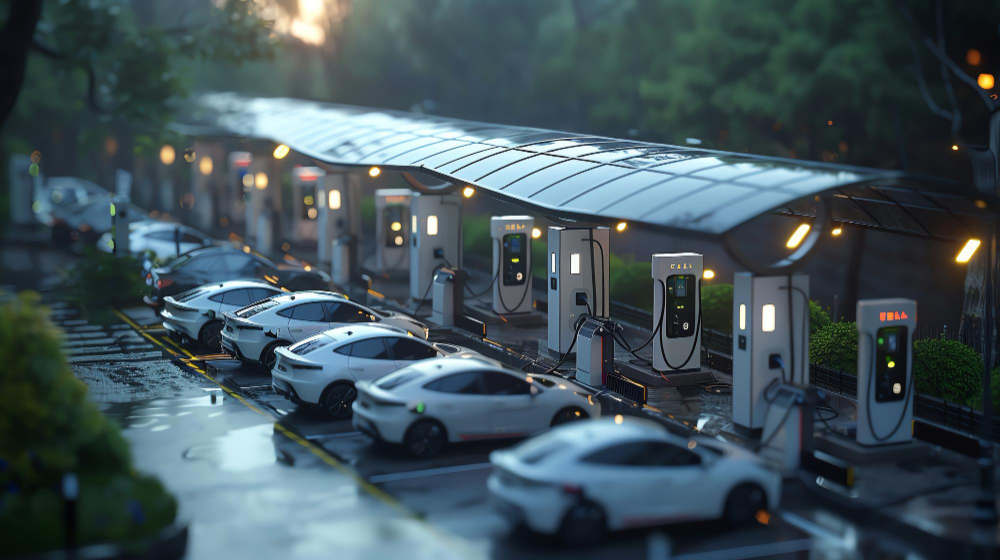
As EV ownership grows, electricity demand is becoming more concentrated during evening charging periods. While a single vehicle has little impact, large numbers of vehicles charging simultaneously can place significant pressure on local networks, particularly in:
- Apartment complexes, where residents tend to charge after work
- Commercial car parks serving staff and visitors
- Public charging hubs handling unpredictable, high volume traffic
- Fleet depots charging multiple vehicles on a tight overnight window
Most existing electricity infrastructure was not designed for this kind of concentrated demand. Without local generation, storage or smart scheduling, widespread EV charging can increase pressure on substations and distribution networks during peak periods.
DERs help address this challenge. Instead of every charging session drawing power directly from the grid, energy can be supplied by onsite solar generation or battery storage charged earlier in the day. This reduces peak demand while maintaining reliable access to charging infrastructure as EV adoption continues to grow.
Batteries, Solar, and the Shift to Smarter Energy Management
Battery storage is becoming one of the most practical tools for supporting EV charging infrastructure because it allows energy to be used at a different time from when it is generated.
On a clear day, solar panels often produce more electricity than a property requires. Rather than exporting all of that surplus back to the grid, batteries can store it for use later, including during the evening when EV charging demand is typically highest. This helps bridge the gap between renewable energy generation and actual charging requirements. The practical benefits include:
- Reduced dependence on grid power during high-demand periods
- Better use of renewable energy generated on-site
- Improved reliability when solar output varies due to weather or seasonal conditions
As renewable energy contributes a larger share of Australia’s electricity supply, local storage solutions are becoming increasingly important for maintaining dependable EV charging infrastructure.
Financial Benefits for Homes and Businesses
Distributed energy resources also create direct cost advantages. Electricity pricing typically varies throughout the day, with higher rates during peak demand periods and lower rates when renewable generation is abundant.
For homeowners with solar installed:
- Charging an EV using self-generated electricity can significantly reduce vehicle running costs
- Smart charging systems can automatically schedule charging during lower-cost periods
For businesses operating multiple chargers, including fleet depots, retail car parks and workplaces:
- Battery storage and smart charging can shift energy use away from expensive peak pricing periods
- Demand charges can be reduced by avoiding simultaneous high-draw charging sessions
- Emerging demand response and grid-support programs may create additional opportunities for cost savings and revenue generation
Planning EV Charging Infrastructure With DERs in Mind
The shift toward distributed energy resources is changing what effective EV charging infrastructure looks like. Charging projects planned without considering solar generation, battery storage or smart energy management risk encountering the very capacity and peak-demand challenges that DERs are designed to address. And as DERs continue to reshape the electricity network, this integrated approach is quickly becoming a fundamental part of delivering charging infrastructure built for long-term success.